 Skip to content
How to Scope Tree Work in RFQs & Tenders – Guide for Gold Coast Project Managers
Preparing a clear and detailed tree work tender scope is critical to avoiding cost overruns, delays, and safety risks. For project managers, procurement teams, and council officers, well-defined requirements ensure that contractors can price accurately and deliver consistent outcomes. This guide outlines key considerations when preparing tree services RFQs in the Gold Coast and helps establish a structured arboriculture scope of work for civil, commercial, and government projects.
Common Gaps in Tree Work Scopes That Lead to Cost Blowouts
One of the most frequent issues in tree work tender scope documents is a lack of detail around site conditions, access constraints, and vegetation complexity. Without clear definitions, contractors may underprice or exclude critical elements, leading to variations during delivery.
Gaps often include undefined clearing boundaries, unclear waste handling requirements, and missing provisions for traffic management or environmental controls. These omissions create uncertainty and increase the likelihood of disputes. Providing accurate site information and clearly defined expectations helps ensure competitive and realistic pricing.
Key WHS and Compliance Clauses to Include
Tree work carries inherent risks, particularly when working at height, near infrastructure, or in public areas. RFQs should clearly outline workplace health and safety (WHS) requirements, including risk assessments, Safe Work Method Statements (SWMS), and incident reporting expectations.
National guidance, such as the Safe Work Australia guide to managing risks in tree work, provides a foundation for defining safety expectations. Additional insights can be found through SafeWork NSW’s overview of tree trimming and arborist hazards and Queensland-specific guidance on managing risks around trees.
Including these requirements ensures that vegetation management tender requirements align with recognised safety standards and reduce on-site risk.
How to Specify Mechanised vs Manual Tree Removal
Clearly specifying the method of tree removal is essential for both safety and pricing accuracy. Manual climbing and cutting may be suitable for smaller or low-risk sites, but larger or high-risk projects benefit from mechanised solutions.
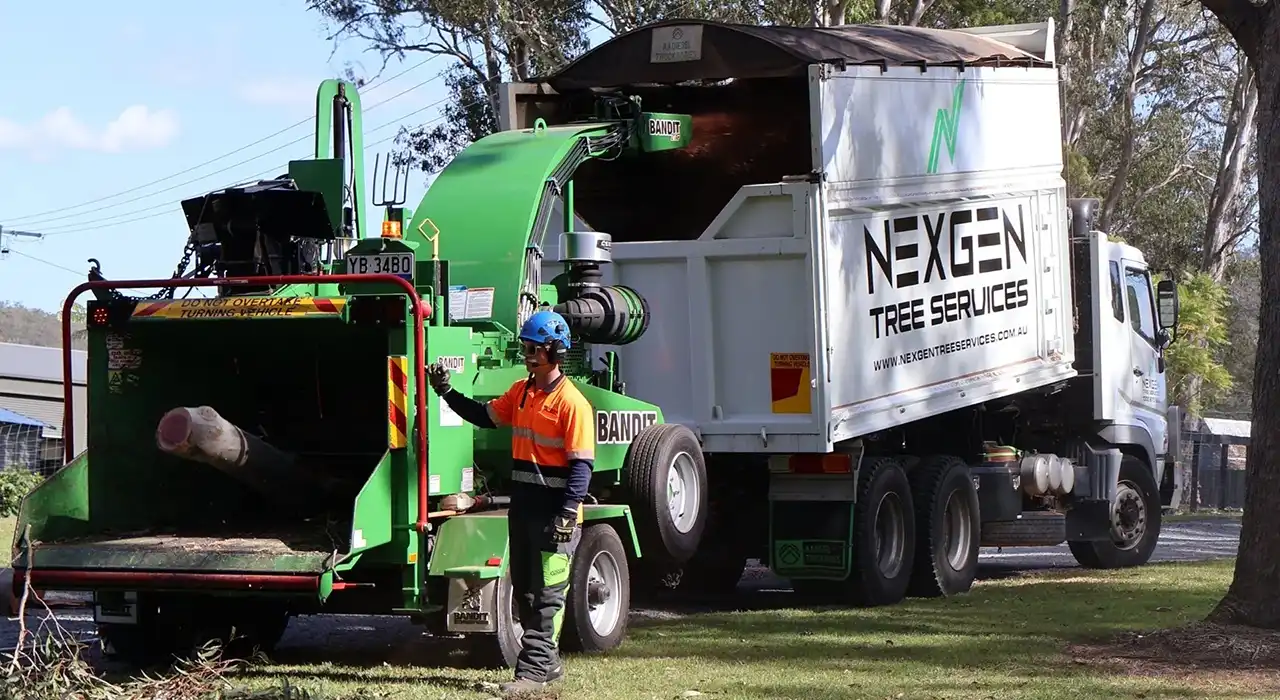
Mechanised tree removal reduces manual exposure and improves productivity, particularly on civil and infrastructure sites. When preparing scopes, it is important to outline where mechanised methods are required or preferred. For high-capacity or complex works, referencing solutions such as mechanised tree removal services helps clarify expectations for contractors.
What Documentation and Reporting Are Required from Tree Contractors
Clear documentation requirements ensure accountability and compliance throughout project delivery. RFQs should specify the need for pre-start documentation, including SWMS, risk assessments, and qualifications.
During and after work, reporting may include daily progress updates, waste tracking, and completion reports. For regulated environments, vegetation clearing approvals must also be considered, as outlined in Queensland’s vegetation clearing approval framework.
Requiring structured reporting ensures that contractors meet both project and regulatory expectations while maintaining transparency.
Sample Scope Items for Civil, Strata and Government Projects
A well-prepared arboriculture scope of work should include clearly defined tasks and deliverables. Typical inclusions for civil and infrastructure projects may involve corridor clearing, hazard tree removal, and access restoration.
For broader site preparation, scopes often integrate vegetation removal with earthworks and development staging. This may include large-scale land clearing services or ongoing vegetation management aligned with construction activities. For technical assessment and compliance, input from qualified professionals, such as those offering arborist services, may also be required.
RFQ and Tender Checklist for Tree Services
To ensure completeness, RFQs and tenders should include the following checklist items:
- Defined the scope of work and cleared boundaries
- Site access details and constraints
- WHS requirements and documentation expectations
- Environmental and vegetation management obligations
- Methodology requirements (manual vs mechanised)
- Waste handling and disposal requirements
- Program timelines and staging
- Reporting and compliance documentation
- Contractor qualifications and certifications
For complex or large-scale projects, engaging experienced providers of civil tree services helps ensure scopes are practical and deliverable.
Request Support With Your Tree Work Scope or Tender Requirements
Preparing accurate vegetation management tender requirements improves project outcomes and reduces risk. Whether you are developing an RFQ, reviewing contractor submissions, or planning upcoming works, structured guidance can streamline the process.
To discuss your project or request support with scoping and pricing, contact NexGen Tree Services via our contact page.
