 Skip to content

Civil Tree Works: What Contractors Need to Know Before Starting a Project
Trees are one of the first things to get in the way of a civil project, and one of the most common causes of delay. Whether the job is a road upgrade, a drainage corridor, a subdivision or a utility installation, tree works need to be planned properly rather than left until the machines arrive. A few decisions made early can protect your programme, your budget and your compliance record.
This guide covers what contractors on the Gold Coast should consider before starting tree works on a civil project.
What Counts as Civil Tree Work
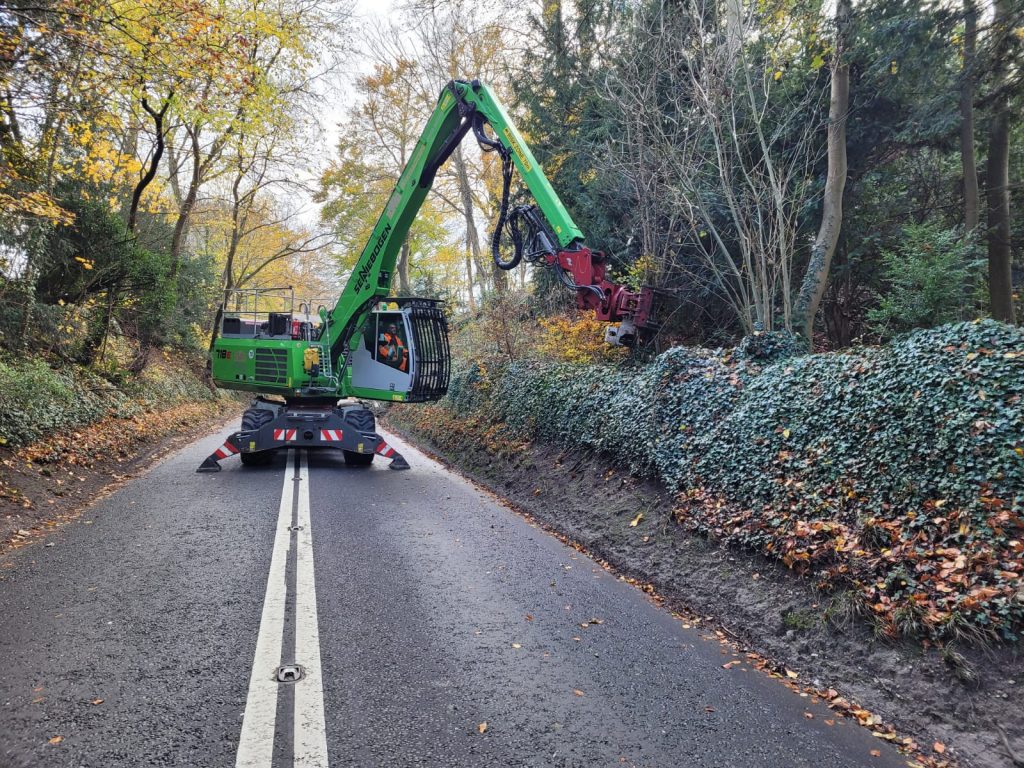
Civil tree work is tree removal, pruning and clearing carried out in support of construction and infrastructure. It often involves larger trees, restricted access, live services nearby and a tight programme. It differs from residential tree work because the risks, the machinery and the paperwork all scale up. NexGen’s civil tree services are built around those demands.
Start With the Right Approvals
Before any tree comes down, confirm what approvals apply. Councils and the state have rules protecting certain trees, habitats and vegetation, and the requirements depend on the site, the species and the type of work. Clearing without the right approval can lead to penalties and stop-work orders that cost far more than the time it takes to check.
Some sites also require a licensed fauna spotter-catcher during clearing. Ask early, because the rules vary and approvals can take time. Check the current requirements with the relevant authorities for your site.
Assess Before You Clear
A qualified arborist can assess which trees must be removed, which can be retained and which present a safety risk. That information shapes your design, your sequencing and your approvals. It can also reveal opportunities to keep valuable trees, which councils often favour.
NexGen provides arborist reports that can support applications and give your team a clear, documented basis for decisions.
Site Access, Traffic and Services
Plan how machines, trucks and crews will reach the work. On or near roads, you may need a traffic management plan and trained traffic controllers. Overhead power lines call for exclusion zones and coordination with the network operator, and underground services need to be located before any digging or stump work. Use the national Before You Dig Australia service to check for buried assets.
Where roads are blocked or hazards need to be cleared, our block clearing service can help restore access quickly.
Machinery or Hand Work?
Mechanised removal is faster and often safer for large trees, because it keeps people away from falling timber. It suits open sites with room for machines to work. Where access is tight or the surroundings are sensitive, climbers and hand work may be the better choice.
Our mechanised tree removal service is designed for projects where speed and safety both matter, and our team can advise on the right mix for your site.

Timing and Programme
Weather, nesting seasons and staged construction can all affect when clearing should happen. Staged clearing limits how much bare ground is exposed at any one time, which helps with erosion and sediment control. Build some float into the programme, because wet weather and approval conditions can move dates.
For larger jobs, talk to your contractor about the sequence early. It is much easier to adjust a plan than to recover a delayed programme.
Managing Waste, Mulch and Stumps
Tree works create a lot of material. Decide upfront what will be mulched, what will be hauled away and what can be reused on site, since this affects cost, truck movements and environmental outcomes. Stumps also need a plan. Our stump grinding and removal service can clear them to the depth your project requires.
Safety, Licensing and Insurance
Ask any contractor for evidence of public liability insurance, trained and ticketed operators, and a safe work method statement for the job. These are basic expectations on a civil project, and they protect you as much as the contractor.
Choose a contractor who has completed work of a similar scale. You can see examples of our work in our gallery.
Frequently Asked Questions
Do I need an arborist report for a civil project?
Often it helps, and sometimes it is required as part of an approval. An arborist report documents the condition and value of trees on site and supports decisions about removal and retention.
Can tree works go ahead near power lines?
Only with the right precautions. Work near overhead lines needs proper exclusion zones and coordination with the network operator, and only suitably qualified people should carry it out.
What happens to the timber and mulch from a clearing job?
It depends on your project. Material can be mulched on site, reused, or removed. Agreeing the approach before work starts keeps costs and truck movements under control.
Talk to NexGen Tree Services
NexGen Tree Services works with contractors and project managers across the Gold Coast to keep tree works safe, compliant and on programme.
Call 1300 675 895 or visit our contact page to discuss your project.
